
The Impact That Soils Have on Your Foundation
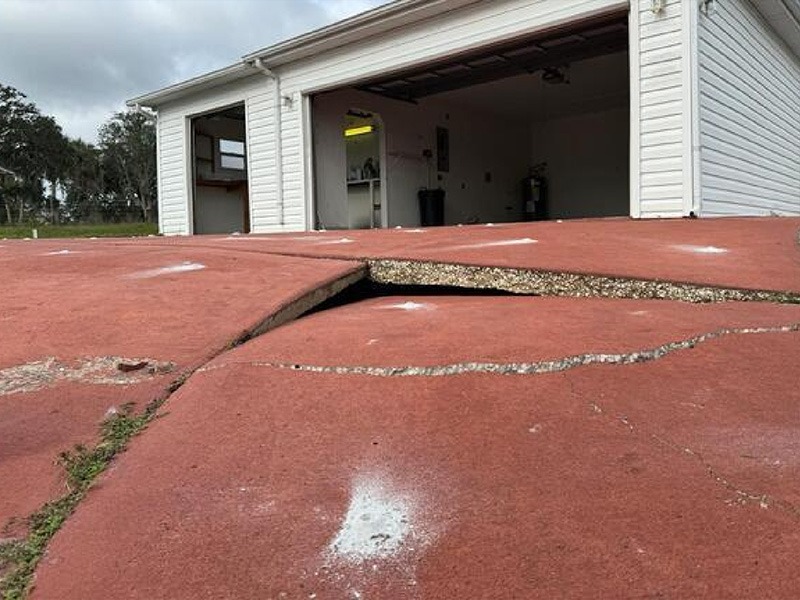
The support of your home’s foundation relies heavily on the soils in the ground. Soils have the capability to shift over time and move from their original position. This movement is detrimental to your foundation as it can cause it to settle into the ground.
Foundation settlement is mostly caused by this shift in soils, so it’s important to know how soils work and how they can impact your foundation’s support.
Soil Expansion
One characteristic of soils that impacts your home’s foundation is their ability to expand. Soils can expand to be much larger than their original size when your home was built. During rain storms, the rainwater can saturate the ground and cause the soils to increase in size.
As they become filled with water and increase, they expand and become displaced from their original position. The expansion causes them to move and lose their ability to support the weight of your home above.
Soil Contraction
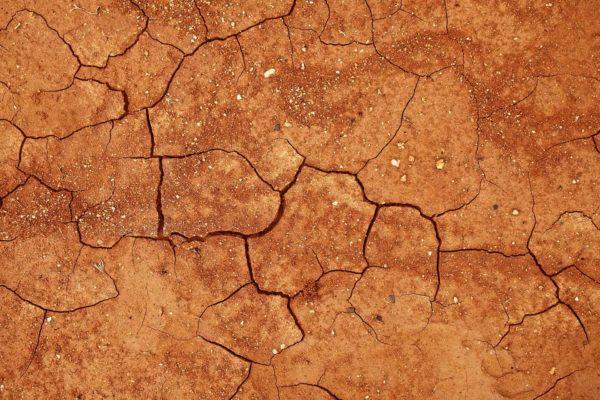
Aside from expansion, soils can also contract. This contraction happens during dry weather conditions. As the soils become dried out, they can contract and creates voids in the ground.
The voids that are created result in a big problem as the soils are no longer compacted and strong enough to support your home’s foundation, causing it to settle.
Types of Soils
Different soils have different consistencies and characteristics that can either be helpful or beneficial when it comes to supporting your foundation:
- Peat Soils: Peaty soils easily expand and contract, making them not ideal for foundation support.
- Clay Soils: Clay is made up of tiny particles, allowing it to store water. They can easily expand and become displaced, creating issues for foundation support.
- Silt Soils: Silty soil drains poorly because it tends to retain water longer than most other soils. The water retention can build up and put pressure against your foundation.
If you’re unsure what kind of soils your foundation was built on, LRE Foundation Repair can provide a soil analysis and determine what needs to be done to protect your foundation.
Soil Treatment
Unfortunately there is no way to change what types of soils are in the ground underneath your home, but fortunately there are soil treatments that can be done to help stabilize the soils for additional support.
Soil Stabilization
To improve the support of your soils, they can be altered to enhance their supportive properties. Stabilizing your soil can improve the load-bearing capacity and allow them to support the weight of your home’s foundation.
If foundation settlement is a problem for your home, soil treatment is a wise investment to protect your foundation from further settlement. Soil stabilization can treat a wide variety of different soils, including expansive soils which are a common problem for most homes.

LRE Foundation Repair Soil Treatment
Prevent your home’s foundation from settling by taking advantage of soil treatment from LRE Foundation Repair. A representative will come to your home and provide a free estimate to help you determine the best course of action to protect your home.
Contact us today for your free estimate for soil treatment!
What To Expect
Ready to get started?
Schedule a free estimate to start your repair journey with LRE.

Schedule your inspection
Fill out our form or give us a call to book your inspection. Share what you’ve noticed so we can send the right expert to your home.

Full home
inspection
An expert will inspect the problem area and surrounding conditions, including soil movement, drainage, structural integrity, and any related concerns.

Clear explanation
of findings
We’ll walk you through what we’re seeing in easy-to-understand language so you know the root cause of the issue, not just the symptoms.

Review recommendations
If repairs are needed, we’ll outline your options, pricing, and timeline so you can make the best decision for your home.
Schedule your free inspection—
It'll only take
a minute
Meet with a trusted expert, and get
clear answers about your home.